
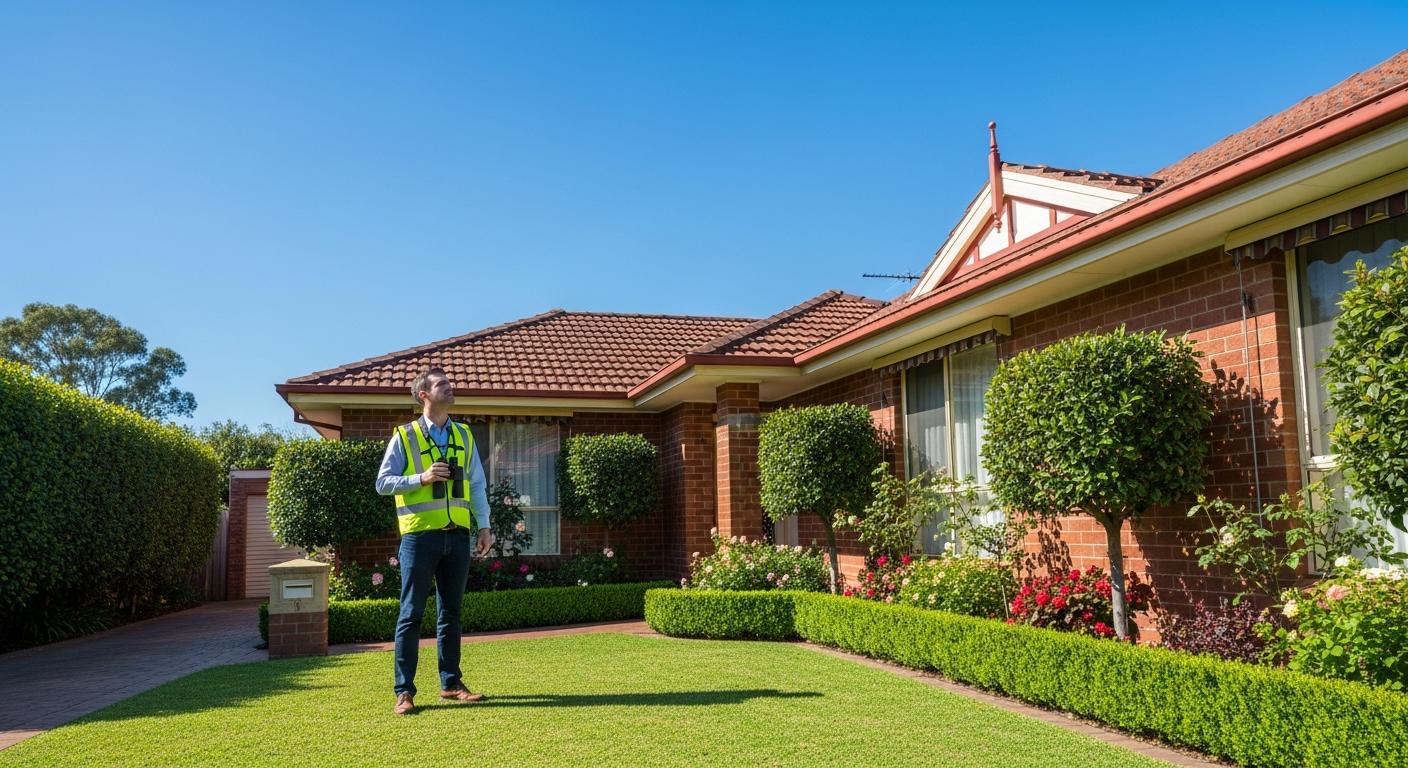
Spring Property Maintenance Checklist for Melbourne Property Owners
After a wet Melbourne winter, spring (September–November) is the highest-value window to assess winter damage and get ahead of issues before summer heat accelerates deterioration. Walk the exterior to check roof tiles, gutters, box gutters, render cracks, brick mortar erosion (especially in western suburbs), balcony soffits, and rust staining. Inside, run all showers and check rooms below, inspect grout and silicone, and look for subfloor moisture. Prioritise active leaks and blocked drainage within two weeks, failed sealants and flashings within two months, and preventative re-waterproofing before next winter.
After a wet Melbourne winter, spring is the ideal time to assess damage, make repairs, and prepare your property for the warmer months ahead.
Melbourne winters are hard on buildings. Months of rain, wind, and temperature swings take their toll on every external surface, membrane, and seal. Spring is the perfect window to assess winter damage and get ahead of issues before summer heat accelerates deterioration.
Exterior Inspection
Roof and Gutters
- •Walk the perimeter and look up — check for displaced or cracked roof tiles, lifted metal sheeting, or damaged flashings
- •Clean all gutters and downpipes. Melbourne's deciduous trees drop heavily in autumn, and winter storms add debris
- •Check box gutters on flat-roofed commercial buildings — these are high-risk areas for overflow and internal leaks
- •Inspect any roof-mounted planter boxes for drainage adequacy and membrane condition
External Walls
- •Look for new cracks in rendered surfaces, particularly around windows and at corner junctions
- •Check brick mortar joints for erosion — Melbourne's western suburbs cop significant wind-driven rain that erodes mortar over time
- •Inspect cladding for warping, gaps, or moisture staining
- •Check weep holes are clear and unobstructed
Balconies and Decks
After months of wet weather, this is when you'll see the telltale signs of waterproofing failure:
- •New water stains on soffits below balconies
- •Tiles that have become drummy (hollow-sounding)
- •Rust staining from corroding fixings
- •Sealant that has cracked or pulled away from edges
Interior Checks
Wet Areas
- •Run all showers and check for leaks in rooms below and adjacent
- •Inspect grout and silicone in all bathrooms — winter condensation accelerates silicone breakdown
- •Check under vanities and around toilet bases for signs of moisture
Subfloor and Basement
- •In suburbs like Werribee and Hoppers Crossing where soil is heavy clay, check for rising damp after a wet winter
- •Ensure sump pumps (if fitted) are operational
- •Check for musty smells indicating excessive moisture
Prioritising Repairs
Not everything needs fixing immediately. A practical approach:
Urgent (fix within 2 weeks):
- •Active leaks into occupied spaces
- •Blocked or overflowing gutters/drains
- •Structural cracks that have changed since your last inspection
Important (fix within 1-2 months):
- •Deteriorated sealants and failed waterproofing
- •Damaged or missing flashings
- •Subfloor ventilation issues
Plan ahead (address before next winter):
- •Preventative re-waterproofing of ageing membranes
- •Expansion joint replacement
- •Comprehensive drainage upgrades
Book a Spring Property Assessment
We offer comprehensive property assessments across Melbourne's western and northern suburbs. Our reports detail every issue found, prioritised by urgency, with clear pricing for each repair item. No obligation, no pressure — just straightforward information so you can plan and budget effectively.
Need help with this?
If you're dealing with any of the issues discussed in this article, we can help. Get a free assessment or upload a photo for instant AI analysis.